
Community Gardens for Social inclusion
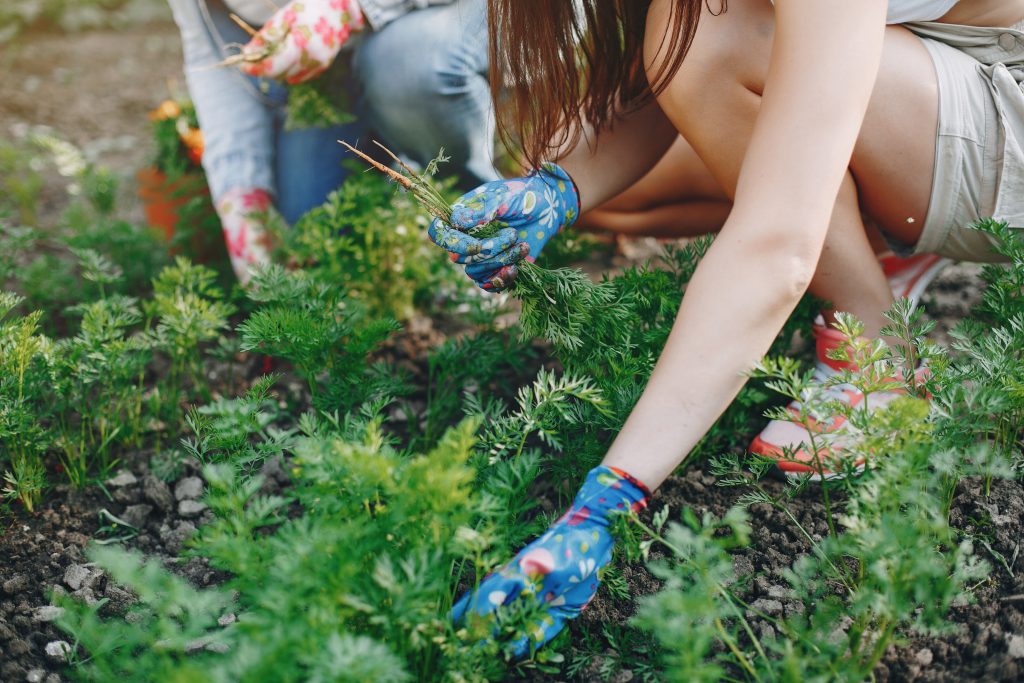
Community gardens have quietly reshaped many European cities over the last two decades. They turn vacant plots, rooftops and pocket-parks into places that produce food, build social ties, improve urban ecology, and give citizens a hands-on way to shape their neighbourhoods. What is a community garden? A community garden is a shared piece of land (or series of raised beds, rooftop plots, or other managed growing spaces) where people (individuals, families, neighbourhood groups or organisations) cultivate plants together or in individual plots for food, flowers, learning and recreation. How community gardens help people belong Community gardens are powerful social infrastructure. They create low-barrier, regular opportunities for people to meet, share skills, and cooperate — activities that build trust and neighbourly ties. Research shows gardens provide meaningful contact points for groups that are often socially excluded: migrants, older people, unemployed residents and people with disabilities. Participating in gardening activities helps newcomers learn local languages and norms, and it gives marginalised residents a visible, practical role in neighbourhood life. Studies and reviews also link community gardening to improved mental health, a greater sense of agency, and stronger social networks.
Community Gardens: Food production and sustainability in the cities
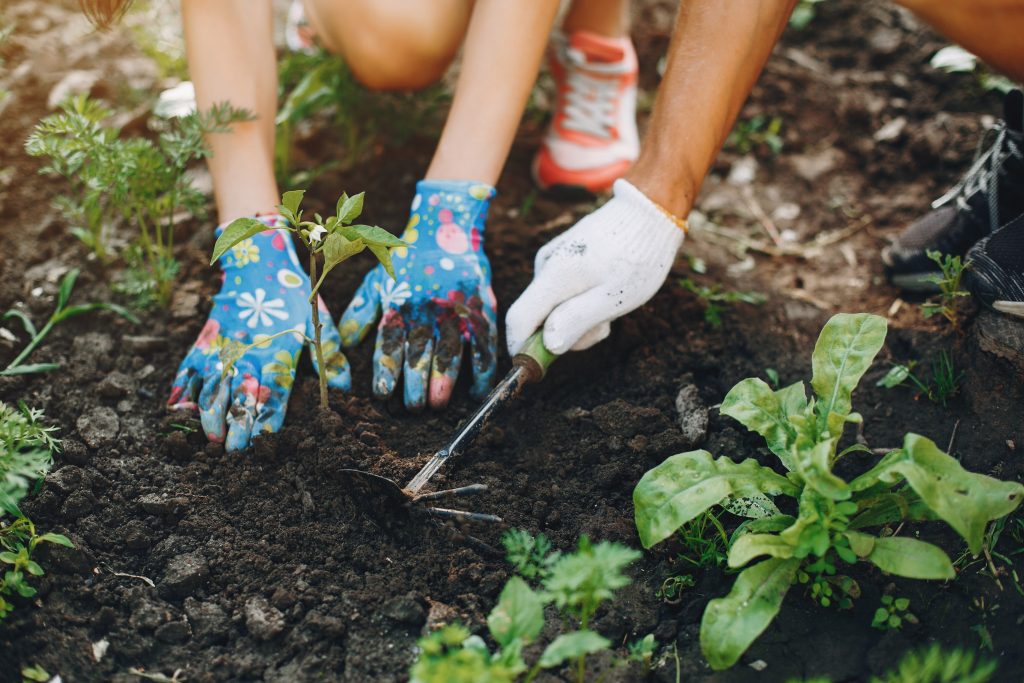
Community gardens produce fresh vegetables, herbs and fruit that supplement household diets, provide educational food-growing experiences, and sometimes supply local markets or food-sharing schemes. However, they are generally supplements rather than replacements for mainstream food systems: per-area yields vary widely, and gardens rarely achieve full self-sufficiency for whole neighbourhoods. The most important food-related benefits are improved access to fresh produce for participants, hands-on food skills, and local short-circuit economies (produce swaps, farm-stands, co-ops). Policy and support (secure land tenure, tool access, training) significantly improve gardens’ productivity and reliability. Community gardens ecological and circular benefits are undeniable. Gardens host pollinators, native plants and small wildlife pockets inside dense urban fabrics. Evidence from European studies shows community gardens can be hotspots of urban biodiversity. Many gardens practice composting, rainwater harvesting, re-use of organic waste and low input growing methods, which reduce waste and resource demands adopting a circular resource use. Additionally, green surfaces moderate urban heat, improve water infiltration, and can be part of local climate adaptation strategies when designed at scale. Recent research argues for integrating community gardens into urban planning as resilience measures. Sustainability outcomes depend on design and management: well-run gardens that use organic practices, composting and water-efficient systems generate larger environmental benefits than ad-hoc plots without those systems.
Community Gardens: Inspiring examples in Belgium, Spain, Norway and Ireland
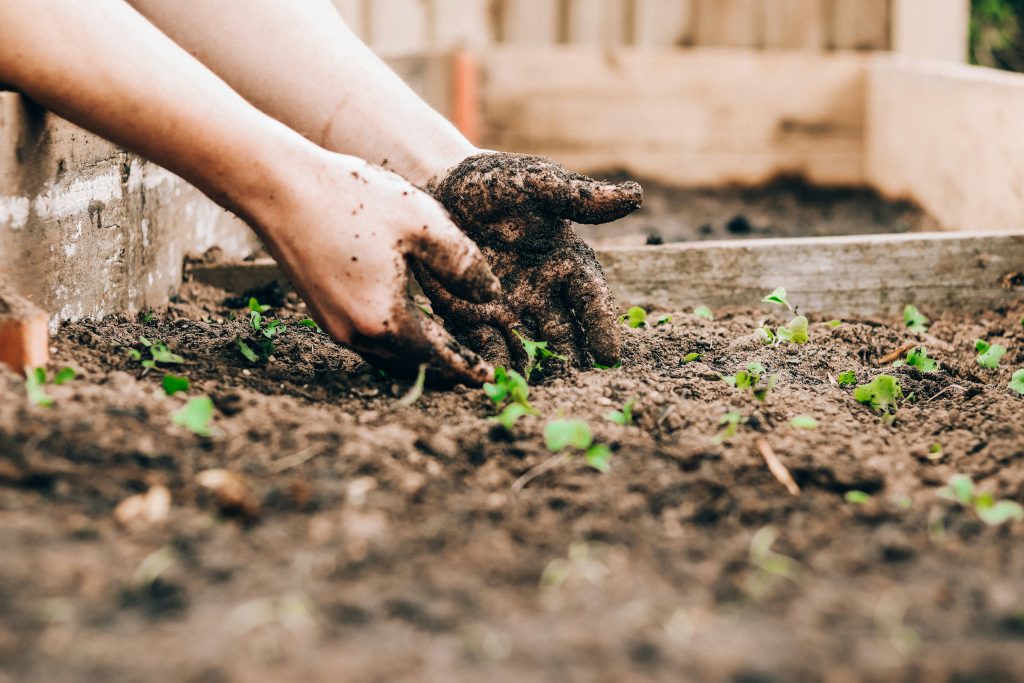
Le Coin de Terre association manages the community gardens in Liège (Belgium). With these 290 cultivable plots, the Coin de Terre de Bressoux (sub-municipality of the city of Liège) is the largest Walloon collective vegetable garden and above all, a formidable socio-cultural laboratory around a dynamic of sustainable and inclusive food bringing together Liégeois actors such as La Bobine, The Secular Action Center of the Province of Liège, Arsenic2, the Adoc company, MADIL, and more. Read more here The Community Garden of Ca n’Anglada, located in Terrassa (Spain), it’s a project that has been active since 2013, offering individuals at risk of social exclusion, including migrants and their families, the opportunity to engage in organic vegetable cultivation for self-consumption. Read more here “The Flower, the Bee, and the City” (Blomsten, bien og byen) is an urban gardening project that uses city farms as spaces for learning and community engagement, with a strong focus on youth. Activities include urban agriculture, foraging, product development, and sales at markets and to local businesses. Read more here Another example of a successful Community Garden experience is Ballymun Community Garden (Ireland), ‘Green Living and Sustainability Gardens’ (GLAS) which has been described as a place for “learning and social inclusion.”19 Many of the users of the garden are asylum seekers. Horticulturist and Manager of the garden said that while people come for the garden, many stay for the social aspect and it becomes like a family. Read more here